What Is a Stroke?
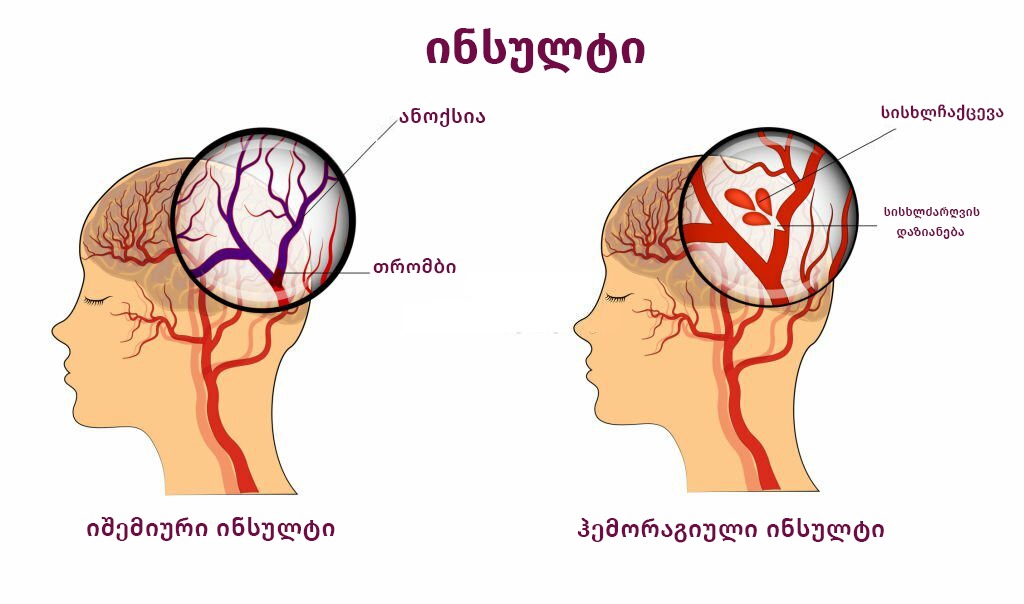
There are two main types of stroke, caused by different mechanisms:
- Ischemic Stroke (most common — about 87%)•Cause:blockage of an artery supplying the brain by a blood clot (thrombus) or other debris. This stops blood flow to a brain region (ischemia).
- Hemorrhagic Stroke•Cause:rupture of a blood vessel in the brain, causing bleeding within or around brain tissue. Often results from high blood pressure (hypertension) or rupture of an aneurysm.
- Transient Ischemic Attack (TIA — “mini-stroke”)• A temporary interruption of blood flow causing stroke-like symptoms that resolve completely (usually within 24 hours). TIA is a serious warning sign of a possible future major stroke.
Stroke Symptoms: Act FAST!
Time is critical in stroke management. The faster you respond, the better the outcome. Use theFAST test (Face, Arms, Speech, Time):
- F (Face):Ask the person to smile. Does one side of the face droop?
- A (Arms):Ask them to raise both arms. Does one arm drift downward?
- S (Speech):Ask them to repeat a simple phrase. Is their speech slurred or strange?
- T (Time):If any symptom appears, call emergency services immediately!
Additional signs:
- Sudden severe headache with no known cause.
- Sudden blurred or lost vision in one or both eyes.
- Sudden dizziness, loss of balance or coordination.
Diagnosis and Treatment
Diagnosis:Established through neurological examination and brain imaging (CT or MRI) to determine stroke type (ischemic or hemorrhagic) and location of damage.
Treatment:
- Ischemic Stroke:Thrombolysis:intravenous administration of medication that dissolves the clot. Most effective within the first few hours (“golden window”).Thrombectomy:mechanical removal of the clot via a catheter (endovascular approach).
- Hemorrhagic Stroke:Treatment focuses on stopping bleeding and controlling intracranial pressure. Neurosurgical intervention is often required.
Prevention: Control Risk Factors
Most strokes can be prevented. Key modifiable risk factors include:
- High blood pressure (the most important factor)
- Diabetes and high cholesterol
- Smoking and excessive alcohol use
- Heart diseases (e.g., atrial fibrillation)
- Physical inactivity and obesity
Tip:Regular medical check-ups and a healthy lifestyle significantly reduce stroke risk.
Rehabilitation
Recovery after stroke is a long process. Multidisciplinary rehabilitation is crucial:
- Physical therapy
- Occupational therapy
- Speech therapy
Rehabilitation helps restore lost functions and greatly improves the patient's quality of life.
Stroke is a serious challenge, but timely action and treatment can greatly reduce its devastating effects. Remember FAST — this knowledge could save a life!