
Hearing Restoration Surgeries Using the Endoscopic Method
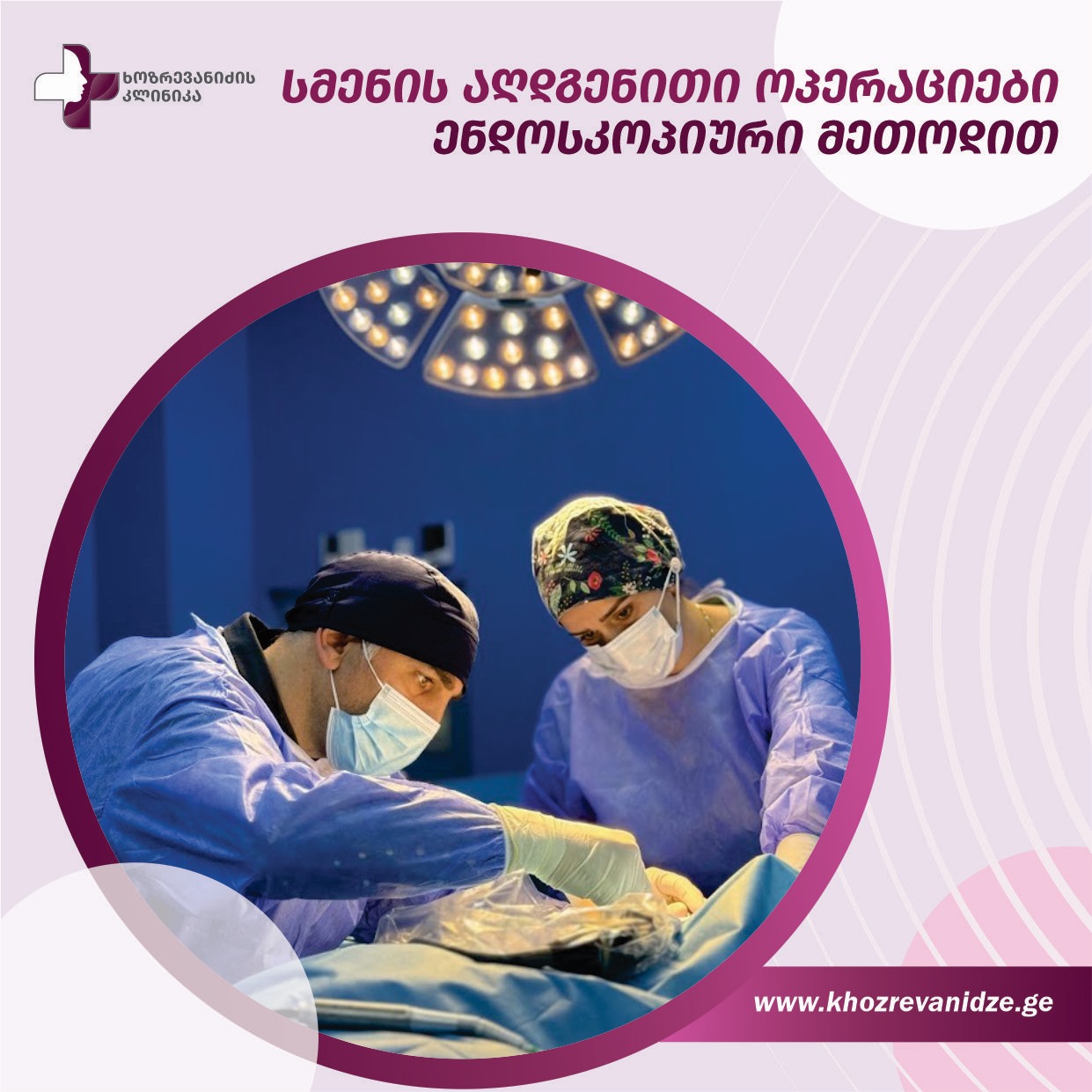
StapedoplastyandTympanoplastyare key branches of ENT surgery aimed at restoring ear structures, improving hearing quality, and reducing infection risks. In modern medical practice, theendoscopic approachis increasingly recognized as highly effective — offering minimal invasiveness, excellent visualization, and a significantly shorter recovery period.
Stapedoplasty
Stapedoplasty is performed to replace the stapes bone, often necessary in cases of otosclerosis — a middle ear disorder where the movement of the stapes bone becomes restricted, leading to hearing loss. During surgery, the surgeon replaces the bone with a miniature prosthesis that allows sound to transmit properly to the inner ear.
Goals:• Restore and improve hearing quality. • Ensure free transmission of sound waves from the ossicular chain to the inner ear. • Enhance the patient's daily quality of life.
Advantages:• Rapid improvement of hearing after surgery. • Minimal postoperative pain. • High success rate (70–95%). • Recommended for both traditional and endoscopic approaches.
Tympanoplasty
Tympanoplasty is a surgical procedure designed to restore the integrity of the eardrum in the middle ear. It is used to: • Repair eardrum damage caused by chronic inflammation. • Restore middle ear structures affected by trauma. • Improve hearing and reduce the risk of infection. During the operation, the surgeon repairs or replaces tissues (grafts), restoring the membrane's integrity.
Goals:• Restore hearing in cases of eardrum perforation. • Prevent infections and maintain middle ear health. • Improve the patient's quality of life.
Advantages:• High effectiveness in chronic inflammatory processes. • Minimal discomfort for the patient. • Significant hearing improvement after surgery.
Comparison of Endoscopic and Traditional Approaches
- Feature — Traditional Method — Endoscopic Method
- Visualization — Microscope, limited view in hard-to-reach areas — Endoscope, 360° view with full visualization of complex structures
- Incision size — Relatively large — Minimally invasive, small incision
- Operation duration — Average — Often shorter due to reduced tissue manipulation
- Postoperative recovery — Moderate — Faster, with less pain
- Risk of complications — Low — Very low
- Aesthetic outcome — Small but visible incision — Practically invisible incision
Note:The endoscopic approach is especially effective instapedoplastyandtympanoplasty, where optimal visualization of hard-to-reach ear structures is required.
Clinical Recommendations
Stapedoplastyis recommended for: • Patients diagnosed with otosclerosis. • Those with significant hearing loss. • Patients seeking rapid rehabilitation and efficient results.
Tympanoplastyis recommended for: • Patients with chronic inflammation. • Cases involving eardrum perforation. • Hearing restoration and infection prevention.
StapedoplastyandTympanoplastyrepresent vital areas of ENT surgery, allowing patients to restore hearing, protect ear structures from infections, and significantly improve quality of life. Theendoscopic approachmakes these surgeries safer, more effective, and faster to recover from, minimizing postoperative pain and scarring — essential advantages in modern ENT practice. TheOtorhinolaryngology Department at Khozrevanidze Clinicis one of the pioneers to introduce the endoscopic method in Georgia's healthcare market.