Correction of the Nasal Septum — Septoplasty
What Is the Nasal Septum and Why Does It Deform
The nasal septum is composed of cartilage and bone, dividing the nasal cavity into two parts. Ideally, it should be straight, allowing air to pass evenly through both nostrils. Yet, around 70–80% of people have some degree of deviation.
Deformation can be:
- Congenital– present from birth;
- Acquired– due to trauma, fracture, or inflammation.
Even small deviations may not be visible but can cause significant breathing difficulties.
How Septal Deviation Affects Breathing
When the septum is deviated, one side of the nose becomes partially blocked while the other develops swelling and congestion. Common symptoms include:
- Difficulty breathing through the nose (often one-sided);
- Constant congestion or snoring;
- Dryness or mucus buildup;
- Headaches, fatigue, insomnia;
- Frequent sinusitis or ear infections;
- Reduced sense of smell.
Mouth breathing can lead to throat dryness, chronic cough, and overall oxygen deficiency.
Diagnosis
Accurate diagnosis is made throughendoscopic examination, which allows the doctor to assess the septum and nasal structures precisely. In some cases,CT scansare performed to plan surgery or detect other issues such as polyps or sinusitis.
What Is Septoplasty
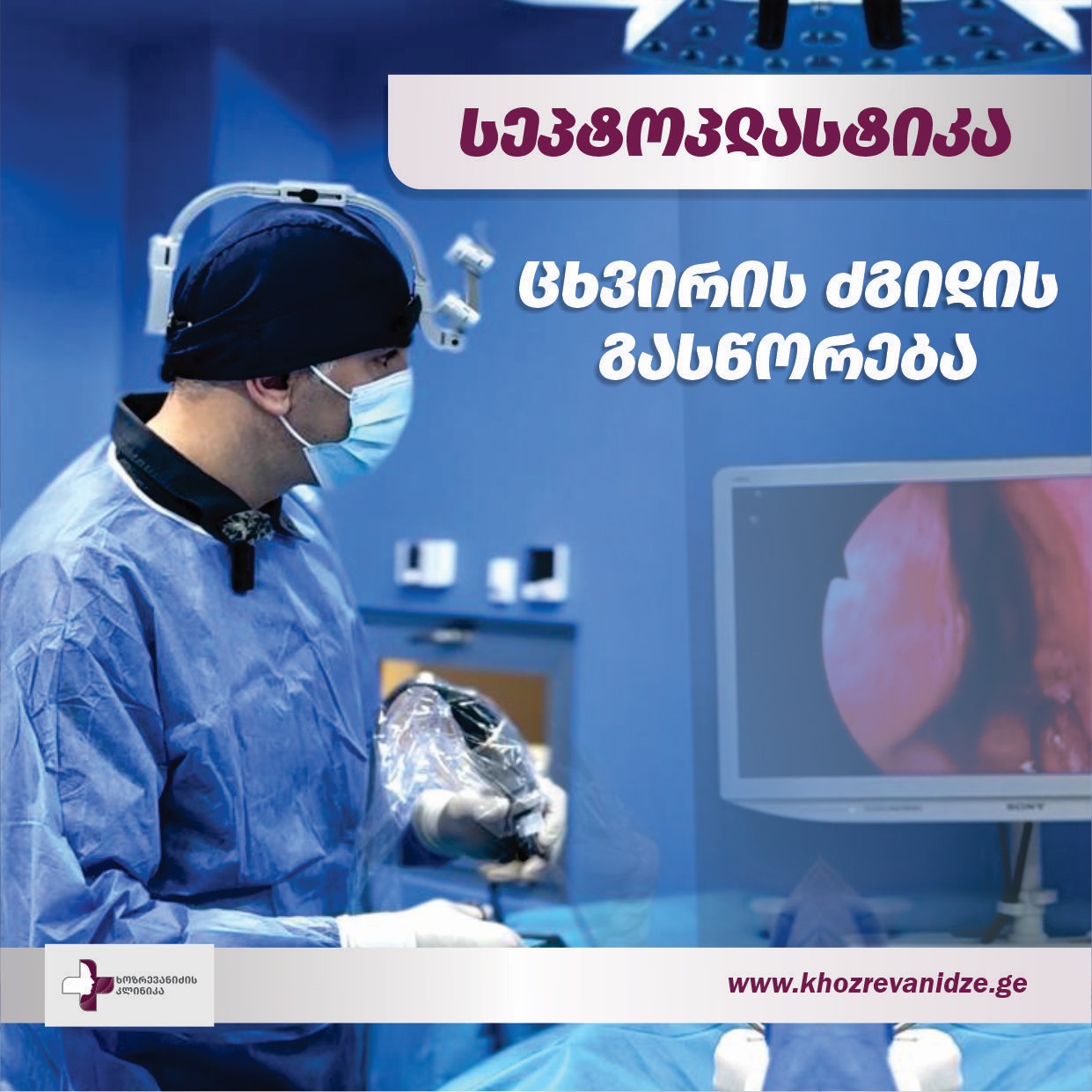
Septoplastyis a surgical procedure designed to straighten the nasal septum and restore normal breathing. It is performedendoscopically, without external incisions, using a small camera and specialized instruments through the nasal passages. Only the obstructing portion is corrected, and the external shape of the nose remains unchanged — septoplasty is afunctional, not a cosmetic, procedure.
Procedure Overview
- Performed under general or local anesthesia.
- Average duration: 30–40 minutes.
- The surgeon reshapes or removes parts of cartilage or bone blocking airflow.
- Soft silicone splints are placed in the nose for 1–2 days.
Patients are usually discharged the next day and fully recover within 7–10 days.
Advantages of Modern Endoscopic Septoplasty
- No external scars or deformities;
- Painless procedure;
- Minimal bleeding;
- Fast recovery;
- Complete restoration of natural breathing;
- Reduction of snoring and fatigue.
Postoperative Period
Slight swelling or dryness may occur for a few days — this is normal. The doctor prescribes:
- Special sprays and nasal rinses;
- Mild pain relievers if needed;
- Temporary limitation of physical activity (about one week).
Results are noticeable within the first week — breathing becomes deep, free, and balanced.
Why Septoplasty Is Important
A deviated septum not only causes discomfort but can also lead tochronic sinusitis,hearing problems,oxygen deficiency, and evenheart rhythm or blood pressure disturbancesover time. Proper nasal breathing is essential for brain oxygenation, quality sleep, and overall vitality.
When to See a Doctor
Consult an ENT specialist if you experience:
- Persistent nasal breathing difficulties;
- Snoring or insomnia;
- Frequent sinus infections;
- Reduced sense of smell;
- Headaches or fatigue due to oxygen deficiency.
Timely diagnosis and septoplasty will restore healthy breathing and energy to your life.
Septoplasty at Khozrevanidze Clinic
AtKhozrevanidze Clinic, septoplasty is performed using advancedendoscopic techniquesensuring maximum precision and safety. Our ENT surgeons applyminimally invasive methodsthat combine:
- Accurate visualization during surgery;
- Rapid rehabilitation;
- Painless process and natural results.
Each patient undergoes full diagnostics — endoscopy, CT if needed — followed by anindividualized treatment plan.